
Introduction
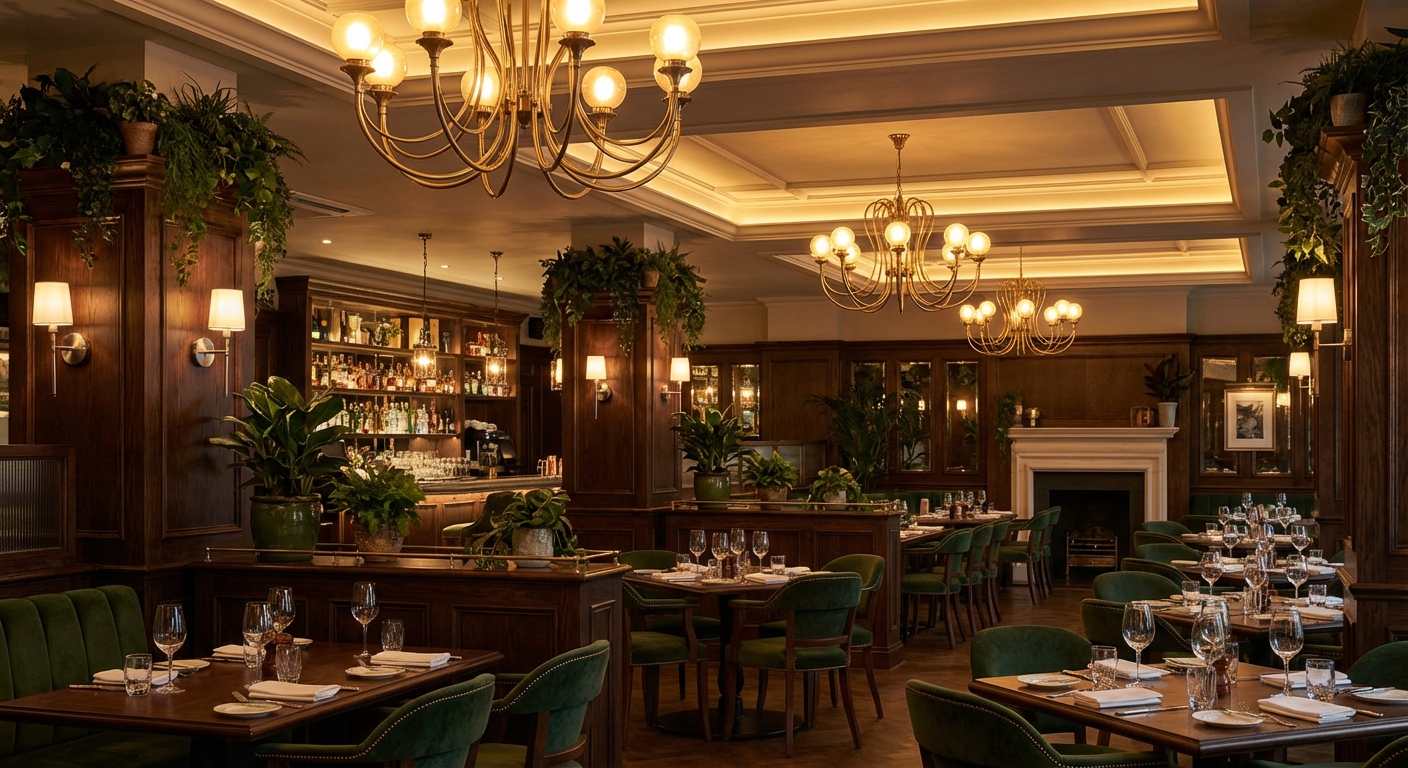
Selecting metal finishes for hospitality lighting is as strategic as choosing a façade material. For architects and hotel designers, finishes such as brass, brushed nickel, and black bronze are not only aesthetic choices but performance and operational decisions that affect lifecycle cost, maintenance, project schedule, and compliance. This guide translates craft-level finish knowledge into practical specification language and procurement controls you can use on commercial projects—addressing common B2B pain points: quality assurance, lead time predictability, certification compliance, and alignment with current design trends.
Key Industry Insight
Metallic finishes are enjoying renewed prominence in hospitality design—balancing warmth, tactility, and perceived luxury with the need for durable, maintainable solutions. However, variability in manufacturing processes (plating, PVD, lacquering, powder coat) results in inconsistent visual and performance outcomes if not tightly specified. The industry trend is toward finishes that deliver consistent color, durable wear resistance, and low environmental impact, while enabling coordinated palettes across fixtures, hardware, and furniture.
Key procurement challenges:
- Quality control: visual and mechanical consistency across production batches.
- Lead times: extended when finishes are custom, aged, or require post-treatment.
- Certification & testing: ensuring finishes meet corrosion, smoke, and VOC requirements.
- Maintenance expectations: handover documentation for hotel operations teams.
Technical Detail
Understanding the processes behind each finish is essential to writing enforceable specifications.
Brass (Unlacquered, Lacquered, Solid & Plated)
- Processes: Solid forged brass, die-cast brass, brass plating over steel, PVD over stainless. Common protective layers are clear lacquer or conversion coatings.
- Visuals: Unlacquered brass develops a natural patina—sought after for character but inconsistent across production and environments. Lacquered brass locks in color and reduces maintenance.
- Performance: Unlacquered brass requires more frequent cleaning; lacquered brass reduces tarnish but can scratch. PVD brass on stainless delivers excellent adhesion, hardness, and color stability.
- Spec guidance: Specify metal composition (e.g., C260 brass), finish method (PVD or lacquered), thickness of protective coating, salt spray resistance (ASTM B117), and color tolerance (ΔE < 2).
Brushed Nickel (PVD vs Electroplating)
- Processes: Brushed finish produced mechanically prior to surface deposition. Final finish often achieved with PVD or traditional electroplating plus a brushed mechanical finish.
- Visuals: Soft reflectance, linear texture; very amenable to hotel use because it resists fingerprints.
- Performance: PVD delivers superior hardness and wear resistance compared to electroplated nickel, and reduced risk of nickel blooming or discoloration.
- Spec guidance: Call out brushing method (direction, grit), surface roughness (Ra), PVD parameters (coating type and thickness), and abrasion resistance metrics (Taber test cycles).
Black Bronze (Blackened Bronze, Oil-Rubbed, Powder Coat)
- Processes: Blackened bronze can be achieved with chemical patination of solid bronze, PVD coatings that mimic dark bronze, or powder coating over aluminum/steel. “Oil-rubbed bronze” is often a decorative patina on brass.
- Visuals: Deep, muted tone suitable for contemporary and classic schemes. Variability is common with true patination.
- Performance: Chemical patinas are aesthetic but require sealing for durability. Powder-coated black bronze alternatives offer consistent color, higher abrasion resistance, and predictable lead times.
- Spec guidance: Define intended look (matt, satin), method (PVD, patina, powder coat), required adhesion (cross-cut test), and salt spray resistance.
Quality, Testing & Certification
- Corrosion: ASTM B117 salt spray testing hours should be specified based on exposure risk: 96–500+ hours for interior hospitality depending on proximity to coastal environments.
- Durability: Taber abrasion testing, adhesion tests (ISO 2409 / ASTM D3359), and hardness (microhardness for PVD) should be required.
- Environmental: Specify RoHS and REACH compliance for heavy metals; require VOC content reporting for lacquers and coatings. PVD is often preferable for low VOC and long-term color stability.
- Electrical & Safety: All finished luminaires must retain UL/ETL and IEC compliance; finishes must not affect IP rating or thermal performance.
- Quality systems: Require manufacturers to operate under ISO 9001 and supply inspection reports and batch traceability for finish runs.
Lead Time and Procurement Considerations
- Typical timelines: standard catalog finishes—4 to 6 weeks; PVD and custom patinas—8 to 12 weeks; large batch electroplating—6 to 10 weeks. Fast-track options may be available for an upcharge.
- MOQ and batch consistency: Many finish processes have minimum production runs to maintain color consistency. For small orders, consider specifying multiple small lots with batch-matched samples or accept alternative finishes that meet the visual intent.
- Sample approvals: Mandate factory-applied finish samples and in-situ mock-ups. Approve by physical sample rather than digital images; specify acceptance criteria for ΔE, gloss level (60° gloss meter), and surface texture.
- Change control: Insert contractual language requiring notification and approval for any sub-contractor, process, or supplier change affecting finish appearance or performance.
Spec Language and Documentation (How to Write It)
- Be explicit: Name the base metal, finishing process, measurable performance criteria, and testing standards.
- Example clauses to include (adapt to project):
- “Finish: PVD brass on 316 stainless steel, thickness ≥ 0.5 μm, sealed with 1.5 μm clearcoating; color tolerance ΔE ≤ 2; ASTM B117 corrosion resistance ≥ 240 hrs.”
- “Alternate: Powder coat RAL 8022 matt with adhesion ISO 2409, Taber abrasion ≥ 1,000 cycles.”
- “Supplier shall provide production batch samples and test reports for each lot; manufacturer to maintain ISO 9001 certification.”
- Handover materials: Require cleaning/maintenance instructions tailored to the selected finish and spare parts schedule. Provide written procedures for hotel housekeeping to maintain long-term aesthetic quality.
Design Trends and Practical Recommendations
- Mix-and-match: Designers are increasingly specifying mixed metals across room typologies—e.g., brushed nickel in high-touch areas, lacquered brass for focal fixtures, and black bronze for accents. Ensure color temperature and reflectance are coordinated.
- Matte and low-gloss finishes: These reduce glare and fingerprints; specify 10–30 gloss units for matte finishes and enforce consistent gloss measurement.
- Aged vs stable: Decide early if a natural patina is intended. Patinated brass can add authenticity but complicates procurement and maintenance.
- Sustainability: Prioritize finishes with low VOCs, recyclability, and durable life cycles (PVD over plating when feasible).
“High-quality metallic finishes balance visual intent with measurable performance—specify both, and require test evidence before production.”
Conclusion
For architects and hotel designers, specifying metal finishes is a cross-disciplinary task: aesthetics, longevity, maintenance, procurement, and regulatory compliance must be reconciled in specification documents. Minimize risk by requiring measurable finish parameters, factory-applied samples, explicit lead-time commitments, and certification evidence. Artilumen partners with design teams to provide finish mock-ups, test reports (ASTM B117, adhesion and abrasion), and production batch traceability to ensure the final installation meets design intent and operational requirements.
Contact the Artilumen specification team to request physical finish samples, lead-time estimates for your project schedule, and template spec language tailored to your property’s exposure, maintenance regime, and luxury positioning.