
Introduction
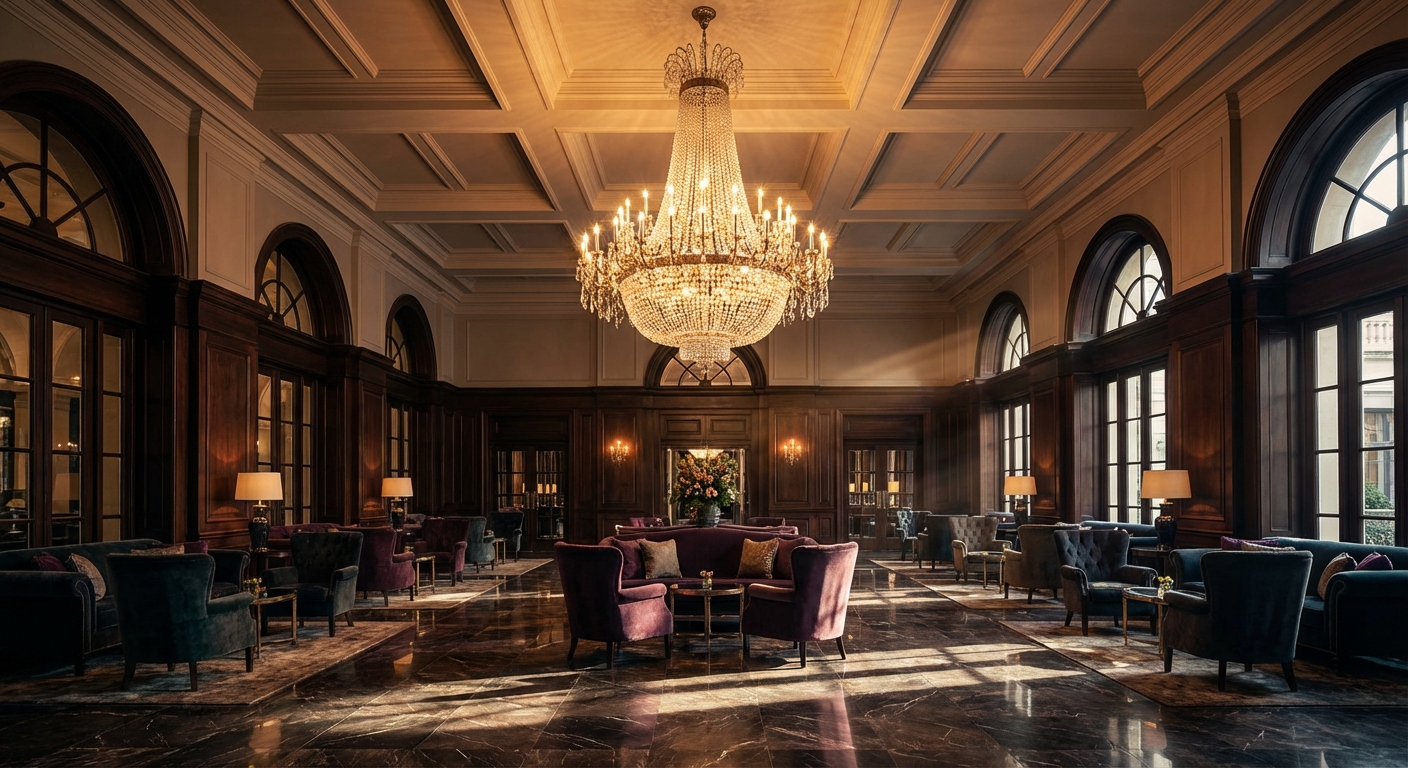
A five-star hotel lobby chandelier is more than an object of decoration — it is a strategic design element that defines brand identity, guest perception, and spatial hierarchy. For architects and hotel designers, choosing the primary chandelier involves balancing aesthetic ambition with stringent commercial realities: performance specifications, certification requirements, manufacturing lead times, structural constraints, maintenance regimes, and total cost of ownership. This guide clarifies the decision-making framework, highlights common B2B pain points, and provides actionable recommendations to accelerate specification, approval, and delivery for high-impact lobby fixtures.
Key Industry Insight
Large-scale decorative lighting projects are often delayed not by design intent but by supply-chain and technical oversights. In practice, the most visually impressive chandeliers fail to deliver value if they cannot be installed on schedule, lack required certifications, cause excessive maintenance burden, or are poorly integrated into building systems.
Below are the core factors that determine success for a five-star lobby chandelier project:
- Design intent vs. constructability: striking designs often require custom glass, hand-finishes, or complex suspension systems. Early coordination with manufacturers reduces risks.
- Photometric performance: dramatic appearance must be matched by correct illuminance, glare control, and color rendering to showcase finishes and create the intended atmosphere.
- Structural and regulatory compliance: fixture weight, rigging points, and local codes frequently require structural engineer sign-off and third-party certification.
- Lead time and logistics: bespoke components (crystal, blown glass, metalwork) have long manufacture timelines. Shipping and customs add further delays.
- Long-term serviceability: replaceable LED modules, accessible drivers, and cleaning regimes affect lifecycle costs and guest experience.
Technical Detail
Addressing the technical checklist early streamlines procurement and reduces RFIs during construction.
-
Photometry and controls:
- Require LM-79/LM-80 test data for LED modules. Aim for CRI ≥ 90 (or specify project-specific CRI if artwork and textiles need higher fidelity).
- Provide IES or LDT files for accurate lighting calculations and renderings. Ensure compatibility with design software and BIM objects (Revit families).
- Define control protocols (DALI, DMX, Bluetooth mesh, KNX). For dramatic scenes, confirm smooth dimming (1–100%) without color-shift or flicker.
-
Materials and finishes:
- Specify finish performance (PVD, powder coat, anodizing) and expected maintenance. For coastal or humid climates, require corrosion-resistant coatings and stainless steel hardware.
- For crystal and mouth-blown glass, request provenance documentation and quality samples. Custom glass can take 6–12 weeks for molds and production.
-
Structural and installation:
- Provide accurate installed weight, center-of-gravity diagrams, and recommended suspension points. Include temporary rigging procedures for safe hoisting.
- Coordinate with structural engineer for load-bearing calculation and seismic/anti-sway requirements where applicable.
- Specify ceiling access requirements and confirm crane or scaffold needs during installation.
-
Certification and compliance:
- For North America: UL1598 / UL8750 / ETL where applicable. For Europe: CE / EN60598. Also request RoHS and REACH compliance for materials.
- Provide product test reports and factory inspection documentation. ISO9001 certification for manufacturer quality systems is preferred on large custom commissions.
-
Thermal management and LED lifecycle:
- Request LM-80 test data and TM-21 projections for lumen depreciation. Specify L70 > 50,000 hours or project-specific targets.
- Ensure driver accessibility and spare parts availability, particularly for proprietary modules.
-
Serviceability and maintenance:
- Define cleaning schedules for fragile components. For hotel environments, access frequency and cleaning downtime matter.
- Specify replaceable lamps or modular LED boards to avoid total fixture replacement during maintenance.
“A successful lobby chandelier is where artistic ambition meets rigorous engineering — the design remains inspiring only if it is deliverable, certifiable, and serviceable.”
Design and Specification Strategy
Achieving maximum visual impact while controlling risk requires a staged, evidence-based approach.
-
Concept to Feasibility (Schematic Phase)
- Develop multiple scale studies and photometric mock-ups for varying heights and finishes.
- Early-stage mock-ups (1:10 scale or virtual photorealistic renders with IES files) allow rapid client sign-off before committing to long-lead items.
-
Prototype and Sample Approval (Design Development)
- Prioritize physical samples for finishes and critical components (glass, metal, crystal).
- For complex suspensions, request a full-scale rigging mock-up to test weight distribution and sightlines.
-
Technical Submittal (Contract Documentation)
- Deliver complete shop drawings, weight tables, electrical load schedules, IES photometry, control wiring diagrams, and structural anchor details.
- Ensure BIM families are delivered to allow coordinated building services integration.
-
Production and Quality Control (Manufacturer Phase)
- Verify production milestones: sample approval, pre-assembly, factory acceptance testing (FAT), and pre-shipment inspection.
- Agree on packaging, on-site protection, and installation supervision. For multiple deliveries, define staggered shipment plans.
Managing Lead Time and Risk
Lead time is the single greatest risk for bespoke chandeliers. Typical timelines:
- Stock, catalog fixtures: 4–8 weeks
- Modified catalog fixtures: 8–12 weeks
- Fully custom chandeliers (including glass/crystal molds): 12–24+ weeks
Strategies to shorten and de-risk:
- Modularize the design so components can be pre-built and assembled on-site. Modular sections reduce custom tooling time and simplify shipping.
- Approve critical-path samples early (finish, glass color, crystal cut).
- Use off-the-shelf LED modules/drivers from qualified suppliers rather than proprietary parts.
- Secure a production slot with the manufacturer as part of the contract and include penalties or options for expedited production.
- Plan logistics: choose air freight for smallest high-priority elements; consolidate heavy crates for sea freight with adequate time buffers.
Balancing Aesthetics and Lifecycle Cost
A chandelier’s immediate design impact must be balanced against operational realities:
- Energy efficiency: choose LED systems with high efficacy to reduce operating costs while maintaining luminous quality.
- Maintenance: designs that require frequent specialist cleaning or delicate component replacement increase annual cost and downtime.
- Replaceability: specify modular LED boards and standardized drivers to simplify future repairs.
- Warranty and spare parts: negotiate multi-year warranties (5+ years for LED and driver systems) and a spare parts package for the first 2–3 years of operation.
Procurement and Contractual Considerations
To protect schedules and quality:
- Include clear acceptance criteria in the contract: dimensional tolerances, photometric performance, finish quality, and testing requirements.
- Require factory acceptance testing (FAT) witnessed by the client or representative.
- Define coordination responsibilities for on-site rigging, electrical connection, and final commissioning.
- Include provisions for the handling of customs, import duties, and any third-party inspections.
Conclusion
Selecting the principal chandelier for a five-star hotel lobby is a multidisciplinary task that requires early collaboration between architects, designers, structural engineers, and an experienced lighting manufacturer. Prioritize clear technical submittals (IES files, weight and rigging data, certification), enforce sample approvals, and adopt modular design strategies to reduce lead times and lifecycle risk.
For project-specific advice, photometric simulations, BIM assets, or to discuss modular solutions that deliver immediate visual impact without compromising schedule or compliance, contact the Artilumen team. We provide technical submittals, factory testing, and on-site commissioning support tailored to luxury hospitality projects — enabling confident delivery of signature lobby lighting that lasts.