
Introduction
As hospitality projects ramp up for the 2026 spring buying cycle, architects, interior designers, and hotel procurement teams face a familiar set of constraints: tight schedules, rigorous performance expectations, and the need to deliver aesthetic cohesion across guest rooms and public areas. For wholesalers and distributors, the pressure is twofold—selecting product ranges that meet specification standards while ensuring reliable supply and margin. This article distills the most sought-after table and floor lamp styles for spring 2026 and focuses on the commercial considerations that matter to B2B buyers: quality control, lead times, design longevity, certification compliance, and practical spec details.
Key Industry Insight
The dominant buyer drivers for table and floor lamps in hospitality are no longer only style and price. Performance, integration, and lifecycle costs lead purchasing decisions. In practice, that means architects and hotel designers prioritize:
- Human-centric lighting: adjustable color temperature and dimming that support circadian comfort in guest rooms.
- Durable materials and finishes: metal alloys, powder-coat, and engineered stone that resist wear from frequent handling and cleaning.
- Serviceability and modularity: replaceable LED modules, standardized drivers, and easy shade removal to reduce maintenance costs.
- Compliance and safety: UL/ETL, CE, RoHS, and IP ratings where applicable for wet-area or semi-outdoor placement.
For wholesalers, the best-selling SKUs are those that balance contemporary aesthetics with these technical expectations—particularly designs that are scalable across multiple room categories and public spaces. Expect increased demand for slim-profile bedside lamps with integrated USB and bedside controls, sculptural floor lamps that double as lounge focal points, and task lamps with precision optics for work zones.
Technical Detail
Specifying correct technical parameters mitigates costly on-site surprises. The most critical technical details to confirm and standardize in specifications are:
- Light Source and Performance: Prefer LM-80-tested LEDs with a useful life quoted at L70 or L90, and specify color rendering (CRI ≥ 90 for premium hospitality; CRI ≥ 80 acceptable in lower-tier public areas). Include TM-30 where color fidelity is critical for materials or artwork.
- Drivers and Controls: Use constant-current drivers with surge protection and universal input voltages. Dimming compatibility (0–10V, DALI, or phase-cut) must be confirmed for integration with central control systems.
- Thermal Management: The thermal design of compact table lamps is often overlooked. Confirm operating temperature ranges and thermal paths to ensure lumen maintenance.
- IP and Safety Ratings: For lamps used in bathrooms, pool-adjacent lounges, or semi-outdoor terraces specify IP44 or higher. Confirm ballast/driver certifications for the target market (UL/ETL for North America; CE/ENEC for Europe).
- Materials and Finishes: Specify substrate (aluminum vs. steel), surface treatment (anodized, powder coat, PVD), and expected abrasion resistance. For fabrics, choose FR-rated shades and provide maintenance/cleaning instructions.
- Warranty and Serviceability: Standard commercial warranties should cover at least 3–5 years, and luminous element replacement or modular driver swaps should be straightforward without entire unit replacement.
- Acoustic and Electromagnetic Considerations: In sensitive AV zones, confirm electromagnetic compatibility (EMC) and flicker metrics (percent flicker or SVM values) to avoid interference with recordings or visual discomfort.
“In hospitality lighting procurement, the lowest upfront price rarely translates to the lowest total cost of ownership. Prioritizing modular design, verified lumen maintenance, and certification reduces long-term maintenance spend and guest disruption.”
Top Table Lamp Styles for Spring 2026
- Minimal bedside task lamps with adjustable arms and integrated color temperature tuning: These meet guest demands for both reading and screen-friendly lighting without adding clutter to nightstands. Look for compact form factors with replaceable LED modules and an integrated USB or USB-C charging port specified for continual reliability.
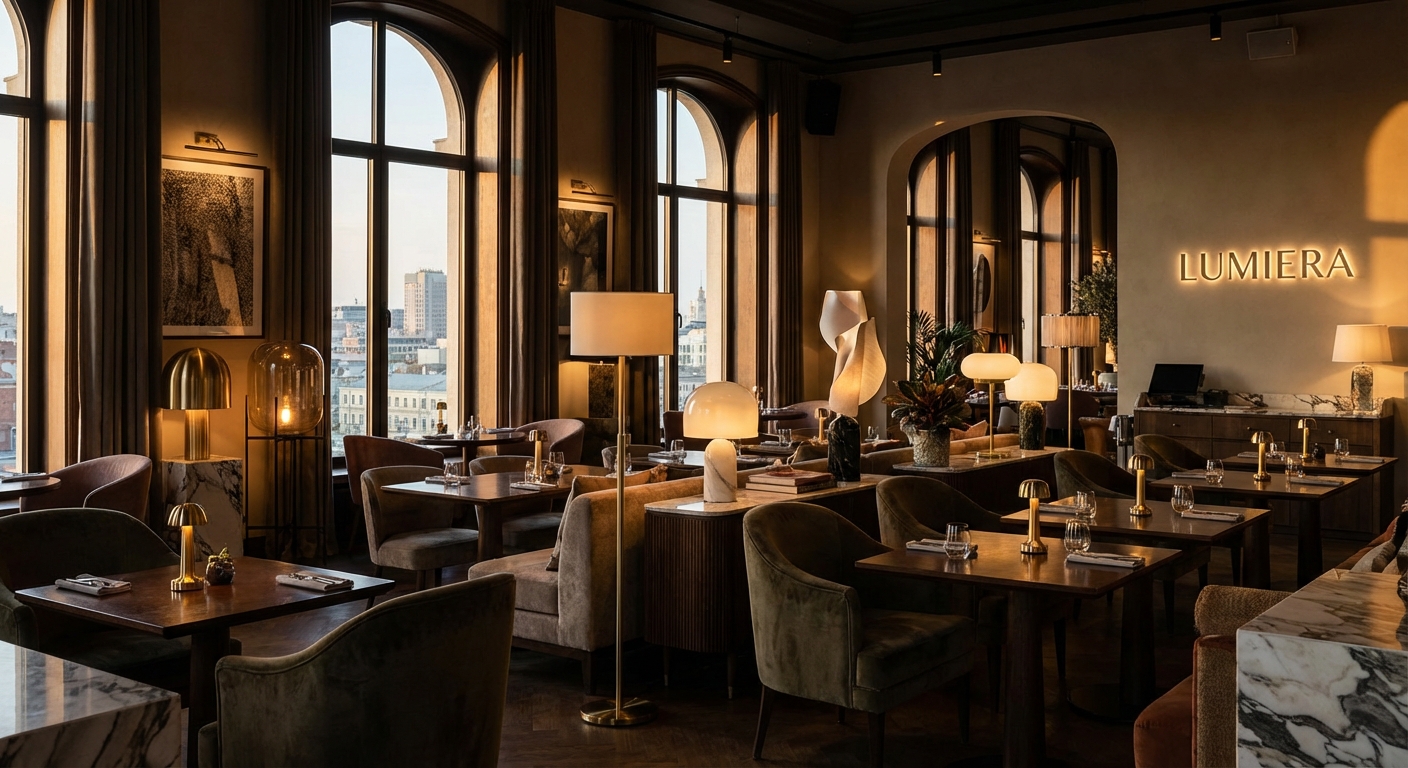
- Sculptural ambient table lamps: Used in lobbies and suites to create focal points. Wholesalers should stock versions with multiple finishes (brushed brass, matte black, and warm nickel) and interchangeable shades that maintain a consistent silhouette across room types.
- Integrated-control lamps: Table lamps with Bluetooth Mesh or DALI endpoints simplify commissioning in boutique properties. Ensure the lamp’s firmware and control protocol are documented to prevent incompatibility during system integration.
Top Floor Lamp Styles for Spring 2026
- Slim cantilever reading lamps: Engineered for bedside nooks and lounge seating with precision-beam optics to minimize spill. Prioritize models with tool-less assembly for rapid on-site installation.
- Multi-head adjustable floor lamps: Flexible lighting for suites and shared spaces; heads should have independent dimming and directional features. Choose designs with centralized driver access for maintenance.
- Statement arc and sculptural floor lamps: High-visibility pieces for public areas. For wholesalers, offering a spectrum of bulb/LED module options preserves aesthetic intent while meeting commercial lumen needs.
Logistics, Lead Times, and MOQ Considerations
Procurement risk is dominated by lead time variability and minimum order quantities (MOQs) that don’t fit project staging. Key strategies to manage these:
- Stocked assortments: Wholesalers should define a core stocked range (fast-moving SKUs in popular finishes) to accommodate short-lead local projects.
- Tiered production schedules: Negotiate staggered deliveries for large rollouts to align with jammed site schedules and storage constraints.
- Clear lead time communication: Manufacturers must publish standard lead times, commitments for expedited orders, and penalties or remedies for missed dates.
- Flexible MOQ options: Offer modular pricing that supports single-room purchases through to full portfolio installations, with clear pricing breaks.
For architects and designers, include realistic procurement milestones in project timelines—allow 12–16 weeks for custom finishes or modified electrical integrations and 6–10 weeks for stocked standard models, depending on geographic shipping constraints.
Certification, Testing, and Documentation
Wholesalers and specifiers must insist on documented evidence for all certifications. Essential documents include:
- Test reports: LM-80, TM-21 lifetime projections, and photometric IES files.
- Certification marks: UL/ETL, CE, RoHS, and country-specific approvals where required.
- Photometric data: Detailed IES files for lighting calculations and BIM resources for coordination.
- Installation and maintenance manuals: Clear instructions reduce field time and support warranty claims.
Specifying without these documents exposes projects to non-compliance, guest safety issues, and potential rework.
Design and Specification Best Practices for Wholesalers
- Curate collections: Group lamps into modular families that share finishes, drivers, and control options to simplify ordering and stocking.
- Offer specification packs: Provide downloadable spec sheets and BIM objects with integrated photometry to make it easy for designers to test options in lighting models.
- Provide margin-friendly SKU bundles: Combine bedside lamp + floor lamp + wall sconce bundles for consistent design across guest rooms and public spaces.
- Emphasize lifecycle costing: Include estimated maintenance schedules and parts replacement costs in RFP responses.
Conclusion
Spring 2026 procurement for table and floor lamps will favor products that blend refined design with verified commercial performance. For architects and hotel designers, the priority is ensuring fixtures deliver predictable photometric performance, are certifiably safe, and are serviceable over the asset lifecycle. For wholesalers, success depends on stocking the right modular families, offering flexible MOQs, and partnering with manufacturers who provide transparent lead times and full documentation.
Contact the Artilumen team to review curated hospitality lighting collections, request spec packs and BIM assets, or discuss stocking programs and lead-time guarantees tailored to your next hospitality rollout. Our commercial team can provide LM-80/TM-21 reports, IES files, and compliance documentation to support your next specification.