
Introduction
As architects and hotel designers finalize FF&E and MEP coordination for projects in 2026, decorative lighting remains a decisive factor in guest experience, brand identity, and long-term operational costs. The first quarter of 2026 saw a clear preference among international buyers for fixtures that balance expressive design with robust technical performance. For commercial procurement teams, the challenge is less about finding a beautiful product and more about securing fixtures that meet quality standards, predictable lead times, regulatory compliance, and integration with contemporary lighting controls.
This article synthesizes Q1 market behaviour and presents the Top 10 decorative lighting categories favored by international buyers. It highlights the procurement pain points you must solve — quality assurance, certification, lead times, design adaptability, and control integration — and offers practical specification guidance to reduce risk in tender and construction phases.
Key Industry Insight
International buyers in Q1 prioritized fixtures that deliver a clear lifecycle value: strong material integrity, replaceable light engines, verified photometrics, and documented compliance for target markets. Design trends leaned into tactile materials and adaptable systems, while technical demands focused on high fidelity light (CRI 90+), precise color temperatures, and seamless controls compatibility.
Top 10 decorative fixtures favored by international buyers (Q1 2026):
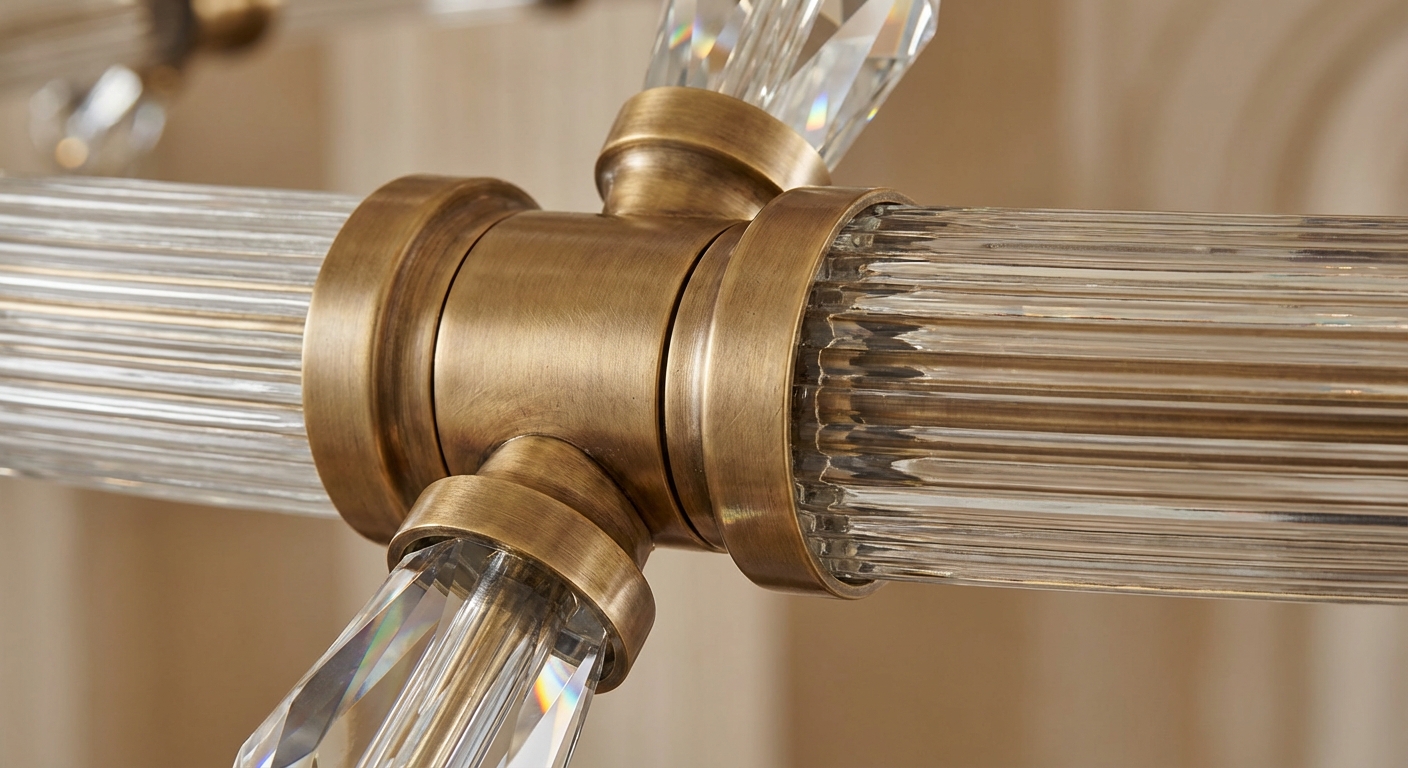
- Reinterpreted Chandeliers — modular multi-arm chandeliers with integrated LED modules and replaceable optics for long-term maintenance.
- Linear Decorative Pendants — variable-length linear pendants with phased dimming (DALI2 / D4i) and tunable white options for layered lighting in lobbies and F&B spaces.
- Sculptural Wall Sconces — slim-profile wall fixtures with diffused light and high CRI for corridors and rooms, often in matte metal and smoked glass finishes.
- Integrated Cove & Soffit Systems — decorative cove elements that combine uplight/downlight with indirect accent to sculpt spaces without visible fixtures.
- Acoustic Light Panels — porous acoustic panels that incorporate LED lighting for simultaneous sound control and ambient illumination.
- Statement Pod Lights — oversized pendant pods using textured glass or fabric finishes for lounges and signature suites.
- Adjustable Spotlight Chandeliers — hybrid fixtures that pair decorative elements with adjustable mag-rail spotlights for gallery and corridor flexibility.
- Backlit Feature Panels — decorative backlit panels with customizable graphics or perforations, often with emergency lighting integration.
- Outdoor Decorative Lanterns — IP54/IP65 decorative exterior fixtures with anti-corrosion finishes and emergency self-contained options.
- Miniature Decorative Pendants — compact decorative pendants for bedside and vanity lighting supporting human-centric lighting and individual control.
Why these categories? Buyers are consolidating specifications around a few repeatable families of products that allow customization at finish and scale without incurring bespoke lead times. This reduces sample complexity and simplifies approval cycles with hotel brands and statutory reviewers.
Common procurement pain points and how market-preferred fixtures respond
- Quality and durability: Buyers demand LM80/LM79 reports, defined L70 lifetimes and robust material specs (anodized aluminum, marine-grade finish options). Fixtures with serviceable LED modules and replaceable drivers have an advantage.
- Lead time predictability: Modular families that ship in standardized components shorten production cycles. Buyers increasingly require guaranteed lead windows (e.g., order-to-delivery SLAs) with penalty clauses for critical path items.
- Certification and global compliance: CE, UKCA, UL, RoHS, ENEC and local energy compliance are table stakes. Export markets also require documented EMC and surge protection performance.
- Design vs. budget balance: Fixtures that separate decorative elements from the light engine let designers achieve region-specific looks while controlling cost.
- Controls & integration: Demand for DALI-2, DALI-2 Device Type 8 tunable white, BLE mesh, and DMX for theatrical elements means manufacturers must offer multiple driver/controls options to avoid costly redesign.
Technical Detail
To translate aesthetic preferences into reliable project outcomes, specify the following minimum technical requirements when selecting decorative lighting for commercial hospitality projects:
-
Optical and light quality
- CRI: ≥ 90 for guest areas, ≥ 95 for fine-dining or art-focused spaces.
- CCT: Tunable white 2700K–4000K where ambience control is necessary; specify tight tolerance ±100K.
- Glare control: UGR targets for lounges and work areas; ensure compliance with lobby and corridor UGR guidelines.
-
Photometric and electrical
- Photometric reports (IES/LM-63) and spectral power distribution (SPD) must be supplied per fixture model.
- LM79 and LM80 testing for LED modules; L70 lifetime projections at 25°C/55°C per IES LM-84 if applicable.
- Dimming protocols: DALI-2, D4i for data-enabled drivers, 0–10V as a baseline; include DMX for stage/feature lighting.
-
Mechanical and environmental
- Materials: Specify corrosion-resistant finishes (AAMA or ISO-tested) for exterior fixtures; passivation or powder coat details for interiors.
- IP rating: Minimum IP54 for semi-outdoor fittings, IP65+ for exposed exteriors.
- Thermal management: Manufacturer to provide thermal resistance data and Tc point measurements.
-
Safety & compliance
- Provide certified documentation: CE/UKCA, UL/cUL, ENEC, RoHS, REACH declarations where required by market.
- Emergency lighting integration: Specify central battery vs. self-contained emergency units and required runtime (e.g., 3-hour).
-
Procurement and logistics
- MOQ and lead times: Request standard lead time tables and production slot confirmation; include expedited options for FF&E critical path.
- Sample policy: Clarify refundable sample fees and lead time for approved finish samples.
- Packaging and handling: Require transit testing reports and palletized packing details for international shipments.
-
Warranty & post-installation support
- Minimum 5-year electrical warranty recommended for commercial hospitality projects, with extended options for LED modules and driver components.
- Spare parts availability: Guarantee availability of key components (drivers, modules, diffusers) for a minimum of 7 years.
“In commercial hospitality, the best decorative lighting combines narrative design with verifiable technical performance — it must look exceptional on day one and operate reliably for years without disrupting guest experience.”
Specification checklist for procurement teams
- Confirm photometrics and SPD for each fixture family.
- Require manufacturer’s test reports (LM79/LM80) and third-party certification evidence.
- Define control protocol compatibility and request driver configuration options.
- Lock minimum finishes and approve mockups with clear finish codes.
- Include lead time SLAs, MOQ, and penalty clauses in purchase orders for critical path FF&E items.
Practical example: coordinating a signature chandelier
- Early stage: specify the fixture family with options for arm count, finish, and diffuser type to allow budget-tier substitution without redesign.
- Mid stage: request IES files and a virtual mockup integrated into BIM for lighting calculations; confirm mounting and structural loading details for rigging.
- Procurement stage: agree on production milestone dates, sample approval process, and final delivery windows aligned to installation schedule; require spare parts kit and maintenance manual.
Conclusion
Q1 2026 demonstrates a clear buyer preference for decorative fixtures that marry compelling design with documented technical performance and predictable logistics. For architects and hotel designers, the specification priority is to reduce risk: insist on verifiable photometrics, robust certification, modular design for maintenance, and contractual clarity around lead times and spares.
If your next hospitality project needs decorative lighting solutions that meet these standards, contact the Artilumen team. We provide project-level specification support, global compliance documentation, and production transparency to keep your FF&E schedule on track while delivering the design impact you expect. Reach out to discuss product families, confirm lead-time commitments, or request BIM assets and photometric data.